If you found an old check in a drawer or forgot to deposit one, you may be wondering how long is a check good for. In many cases, personal and business checks may become stale after about six months, but the exact rules can depend on the type of check, the bank, and the issuer.
So, do checks expire? Not always in the same way a credit card or coupon expires, but banks may refuse to honor older checks. Some checks also have specific expiration dates printed directly on them.
Below, we’ll explain how long checks are good for, what happens after six months, and what you should do if you have an old check.
How Long Is a Check Good For?
A standard personal or business check is generally considered stale after approximately six months. This does not necessarily mean the check instantly becomes worthless after six months, but a bank may choose not to honor it.
Bank policies can vary, so if you have an older check, it is usually best to contact the bank or ask the person or company that issued it for a replacement.
Do Checks Expire?
Do checks expire? The answer depends on the type of check.
Regular personal and business checks commonly become stale after six months. Other types of checks, including government, cashier’s, certified, and payroll checks, may follow different rules.
You should also look at the front of the check. Some issuers print statements such as:
- Void after 90 days
- Void after 180 days
- Valid for six months
- Void after one year
If an expiration period is printed on the check, contact the issuer before attempting to deposit it after that period.
How Long Are Personal Checks Good For?
If you’re wondering do personal checks expire, personal checks are generally treated as stale after about six months.
For example, if someone wrote you a personal check eight months ago, your bank may still accept it, reject it, or request additional verification.
The safest option is to ask the person who wrote the check to issue a new one.
How Long Are Business Checks Good For?
Business checks commonly follow a similar six-month guideline, but companies may establish shorter periods.
A business check might say Void After 90 Days or contain another time restriction. Payroll checks may also have specific policies established by the employer or payroll provider.
If a business check is old, contact the company before depositing it.
How Long Do Checks Last After They Are Written?
People searching how long do checks last should pay attention to the date written on the check.
For a typical check, the six-month period generally starts from the date shown on the check.
Por ejemplo:
- A check dated January 1 may become stale around July 1.
- A check dated March 15 may become stale around September 15.
- A check dated June 1 may become stale around December 1.
That does not guarantee that a bank will reject the check after that date. It means you should verify its status before trying to use it.
When Do Checks Expire?
When do checks expire depends largely on who issued the check.
| Type of Check | Typical Time to Check Status |
|---|---|
| Personal Check | About 6 months |
| Business Check | Often about 6 months |
| Payroll Check | Check printed expiration instructions |
| Cashier’s Check | Depends on issuer and state rules |
| Government Check | Depends on the issuing agency |
Always check the wording printed directly on the check and contact the issuer when necessary.
What Is a Stale Check?
A stale check is a check that has remained uncashed for an extended period after its issue date.
For many ordinary checks, this occurs after approximately six months. A bank may decide not to process a stale check because there is a greater possibility that the account has changed, the payment has already been replaced, or the issuer no longer intends the original check to be used.
Can a Bank Cash a Check Older Than 6 Months?
Possibly. A check being more than six months old does not automatically mean every bank will reject it.
However, a bank may refuse an older check or require additional verification before processing it.
If your check is more than six months old, contacting the issuer and requesting a replacement is often easier than attempting to deposit the original.
How Long Is a Check Valid?
If you’re asking how long is a check valid, a typical personal or business check should ideally be deposited as soon as possible and generally within six months.
Waiting longer can increase the possibility of:
- The bank rejecting the check
- The issuer closing the account
- Insufficient funds being available
- The issuer placing a stop payment
- Difficulty contacting the issuer
What Should You Do With an Expired or Old Check?
If you have a check that is several months old, don’t immediately throw it away.
Instead, follow these steps:
- Check the date printed on the check.
- Look for a “Void After” statement.
- Contact the issuer.
- Ask whether the original check is still valid.
- Request a replacement if necessary.
Do not alter the date yourself. Changing information on a check can cause the bank to reject it.
What If the Check Says Void After 90 Days?
Some checks contain a statement saying they are void after 90 days. This is common with certain payroll and business checks.
If you are past that period, contact the company that issued the check. They may verify the payment or issue a replacement.
Can You Deposit an Old Check With Mobile Deposit?
Mobile deposit does not necessarily bypass a bank’s rules for stale checks.
Even if your banking app initially accepts the image, the check can still be reviewed or rejected during processing.
Check your financial institution’s policies before depositing an older check electronically.
What Happens If You Deposit an Expired Check?
If a bank determines that a check is too old, the deposit could be rejected or returned.
In some situations, you may see the deposit appear in your account temporarily before it is reversed.
This is another reason to contact the issuer first when dealing with an older check.
How Long Before a Check Expires?
For ordinary personal and business checks, think of approximately six months as an important point to verify the payment.
Sin embargo, how long before a check expires can vary depending on the check and issuer. Always read the check itself instead of assuming every check follows exactly the same rules.
How to Avoid Problems With Old Checks
The easiest solution is to deposit or cash checks promptly.
- Deposit checks soon after receiving them.
- Use mobile deposit when appropriate.
- Keep records of checks you receive.
- Contact the issuer if a check becomes old.
- Never alter the date or payment information.
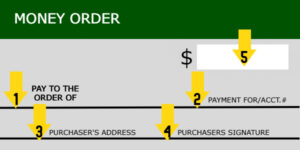
If you’re using another form of payment, you may also want to read our guide on how to fill out a money order.
Frequently Asked Questions
Do checks expire after 90 days?
Not all checks expire after 90 days. Some business or payroll checks may display a 90-day limit, while ordinary personal checks are commonly considered stale after approximately six months.
Can I cash a year-old personal check?
A bank may reject a personal check that is one year old. Contact the person who wrote the check and ask for a replacement before attempting to deposit it.
How long are checks good for?
Personal and business checks are generally best deposited within six months. Other types of checks may have different rules.
Do personal checks expire if there is no expiration date?
They can still become stale even if no expiration date is printed. Banks may have policies regarding checks that are more than six months old.
Can someone rewrite an expired check?
The original issuer can generally cancel or replace an old check when appropriate. Contact them and request a new payment.
Should I deposit a check immediately?
Yes. Depositing checks promptly reduces the chance of problems caused by stale checks, account changes, or payment disputes.
Final Answer: How Long Is a Check Good For?
So, how long is a check good for? For a typical personal or business check, approximately six months is the key period to remember. After that point, the check may be considered stale and the bank may decide not to process it.
Because different checks and financial institutions can have different requirements, check the payment instructions and contact the issuer or your bank if you’re unsure.
For more financial information, visit our Cash In Minutes FAQs or learn more about our personal loan options.
You can also find consumer banking information through the Consumer Financial Protection Bureau.